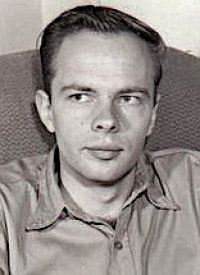
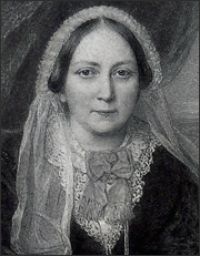
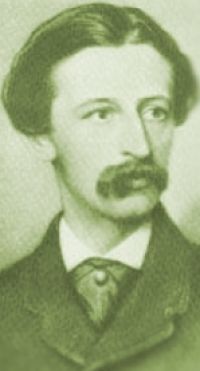
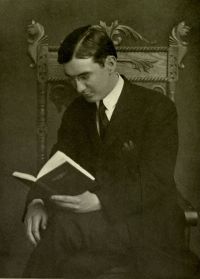
The theme of "Watts" spans a wide range of literary and philosophical inquiries, from depictions of historical individuals to imaginative portrayals. Writers such as Leslie Stephen focus on Isaac Watts, the 17th-century theologian and poet, underscoring his linguistic skill and translation work. William Loftus Hare examines an artist also named Watts, whose creations scrutinize human conflicts with challenges such as folly and materialism, as illustrated in works like "Mischief.
" In contrast, Philip K. Dick presents a character named Watts who embodies a practical, morally complex figure within a science fiction framework. These differing perspectives highlight a persistent concern with human vulnerability, moral complexity, and the struggle between personal autonomy and broader existential pressures.