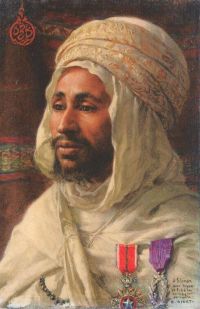
The concept of Imam signifies a spiritual and communal leader within Islamic tradition, often tasked with leading prayers, interpreting sacred texts, and guiding followers. Authors such as J. C. Young and Sir Hall Caine portray the Imam as a figure of deep respect, embodying both devotion and authority in settings ranging from mosques to historical accounts.
Edward Sell and Muhsin Fani emphasize the Imam’s function in preserving religious integrity and tradition, while Gertrude Bell highlights the emotional significance of the Imam’s responsibilities. These diverse depictions illustrate the Imam as a complex symbol of faith, leadership, and ethical guidance across various cultural and historical landscapes.