Divine law

Definition and stakes

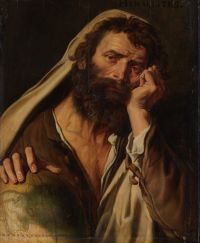
Theophilus of Antioch ../../ (1885)

The divine law, then, not only forbids the worshipping of idols, but also of the heavenly bodies, the sun, the moon, or the other stars; yea, not heaven, nor earth, nor the sea, nor fountains, nor rivers, must be worshipped, but we must serve in holiness of heart and sincerity of purpose only the living and true God, who also is Maker of the universe. Wherefore saith the holy law: “Thou shalt not commit adultery; thou shalt not steal; thou shalt not bear false witness; thou shalt not desire thy neighbour’s wife.”
Source: Wikisource

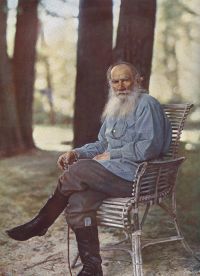
Portrait of Brigham Young Brigham Young Discourses of Brigham Young

I wish to say to the Latter-day Saints, and also to those who do not believe in the fulness of the Gospel, that this ordinance, which we are now attending to this afternoon, is, in reality, no more sacred than any other ordinance of the house of God in the eyes of him who has instituted the same. The validity of one divine law is the same as the validity of another with our Father and God.
Source: Gutenberg

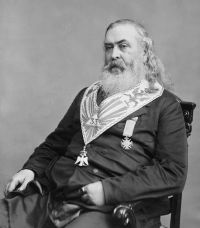
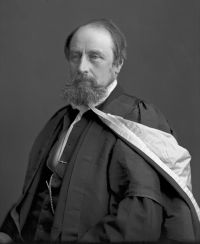
Portrait of Albert Pike Albert Pike Morals and Dogma of the Ancient and Accepted Scottish Rite of Freemasonry

Of that Equilibrium in the Deity, between the Infinite Divine WISDOM and the Infinite Divine POWER, from which result the Stability of the Universe, the unchangeableness of the Divine Law, and the Principles of Truth, Justice, and Right which are a part of it; and the Supreme Obligation of the Divine Law upon all men, as superior to all other law, and forming a part of all the laws of men and nations.
Source: Gutenberg

Get perspective with Kwize: daily news enlightened by great literature