Summary

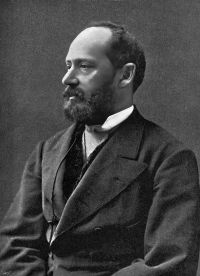
Portrait of Ármin Vámbéry Ármin Vámbéry Sketches of Central Asia (1868…

The picture of a newly-encamped caravan in the summer months, and on the steppes of Central Asia, is a truly interesting one. While the camels, in the distance but still in sight, graze greedily, or crush the juicy thistles, the travellers, even the poorest among them, sit with their tea-cups in their hands and eagerly sip the costly beverage. It is nothing more than a greenish warm water, innocent of sugar, and often decidedly turbid; still human art has discovered no food, has invented no nectar, which is so grateful, so refreshing in the desert, as this unpretending drink.
Source: Gutenberg

Portrait of Ármin Vámbéry Ármin Vámbéry Sketches of Central Asia (1868…

If we now pass on from the details of the slave trade to consider the condition of the slave, we shall find that the hardest time for him to bear is when he is first captured and trained by the Turkoman or the broker; when the Iranian, justly proud of his superior civilisation, is treated like one of the lower animals by the coarse and brutal Turanian, whose very name is in Iran held in derision. The Persian is from his childhood accustomed to the most refined politeness, and to a flowery, elegant conversation
Source: Gutenberg

Portrait of Ármin Vámbéry Ármin Vámbéry Sketches of Central Asia (1868…

England has many foes, or perhaps we should rather call them, enviers. Certain voices in the continental press will always, under the sway of passion, discover in her conduct selfishness, greed, and pride. Enthusiasts will see the blindest materialism in every move; and yet people must be blind and carried away by prejudice, not to see the triumphs won by English greatness, English capital, and English endurance, for our civilisation and our scientific researches. Is it not England alone, whose powerful flag has opened Eastern Asia to our trade?
Source: Gutenberg

Get perspective with Kwize: daily news enlightened by great literature