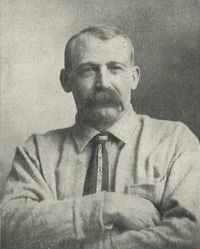
“ Gerald Lovell, it is certain that you are. Besides, I see it in your face. There is genius in your eyes. Mr. Lovell, how am I to thank you for the honour you have done me?" Moving to him, she held out to him her hand. He gave her his. She retained it--or, rather, part of it--in her small palm. "If I am ever destined to attain to immortality, it is to your brush it will be owing. Monsieur, permit me to salute the master!"Before he had an inkling of her intention, she raised his hand and touched it with her lips. ”
Lovell
Definition and stakes
The theme of "Lovell" emerges across literature as a multifaceted symbol, representing both historical figures and fictional archetypes. From Richard Marsh’s Gerald Lovell, an artist caught in romantic and professional competition, to the chivalric trials of the Young Lovell in medieval romances, the name evokes stories of ambition, conflict, and personal evolution.
Authors like Sarah Pratt McLean Greene and Constance Fenimore Woolson examine its significance in historical and domestic settings, while H. E. Marshall and others present it through societal or familial structures. The theme thus crosses genres, reflecting enduring human concerns of identity and legacy.
Quotes about “Lovell”
“ The Lord Lovell of the Castle agreed with him, but said that the women would so have it. He was an immense, gross man, the rolls of fat behind his head, growing black curly hair that ran into his black and curly beard, mantled high up on his neck. His eyes were keen, peeble-blue, sagacious and mocking. The Lady Rohtraut, his wife, a fair, thin woman of forty-three, one of the Dacres of the North, leaned across the Bishop Palatine to disagree with the Warden. Thin as she was she wore an immense gown of red damask worked with leaves, birds and pomegranates. ”
“ She caught at her basket and she ran to his bridle."Come away," she cried out. "Cullerford and Haltwistle have ta'en your bonny Castle. Your father's dead. Your mother's jailed. There is no soul of yours true to you here."If there was one thing that distinguished the Young Lovell amongst the captains of the North—and his name was very well known to the Scots of the Border—it was that he was quick in thinking. ”