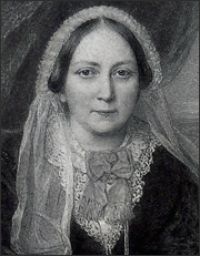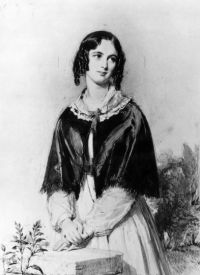
Matilda of Anjou

Definition and stakes

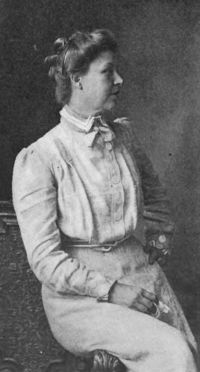
Portrait of Charlotte M. Yonge Charlotte M. Yonge Cameos from English History, from Rollo to Edward II

Matilda of Anjou, married to William the Etheling; retires to a nunnery. Matilda of Boulogne, wife of Stephen of Blois. Matilda of Flanders, her marriage to William the Conqueror; founds the Abbaye aux Dames at Caen; her help toward the invasion of England; works the Bayeux tapestry; her coronation; character; her affection for Robert Courtheuse; her death; her husband’s tender love for. Matilda of Huntingdon, married to David I. of Scotland. Matilda, daughter of William the Conqueror, betrothed to Edwin; her touching death. Matilda, daughter of Henry I., marries Henry V., of Germany.
Source: Gutenberg

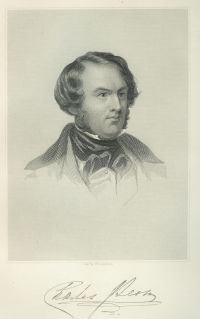
Portrait of Leslie Stephen Leslie Stephen Dictionary of National Biography… (1894)

Matilda's first husband had been thirty years older than herself; the second was ten years younger—a boy scarce fifteen, the heir of an upstart race whose territory, insignificant in extent, was so placed as to make their hostility a perpetual thorn in the side of the ruler of Normandy, until it was bought off with Matilda's hand. The empress and her boy-husband soon quarrelled; and in July 1129 Geoffrey, now Count of Anjou, drove his wife out of his dominions. She withdrew to Rouen (Sim. Durham, a. 1129) , and remained there till July 1131, when she went with her father to England.
Source: Wikisource

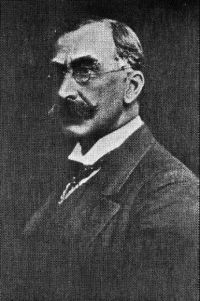
Portrait of Theodore Andrea Cook Theodore Andrea Cook The Story of Rouen

Then feeling more secure in his own power, after he had taken Alençon and Domfront and laid his iron hand on Maine, while Anjou and Brittany were too bent upon intestine strife to trouble him, he pacified the continual quarrels with Flanders by taking Matilda the daughter of its Count Baldwin as his wife. Descended from the stock of Wessex, of Burgundy, and of Italy, with the blood of Charlemagne in her veins, Matilda was beautiful, virtuous and accomplished, and worthy to be the mate64 of one who set an example of domestic purity to all the princes of his time.
Source: Gutenberg

Get perspective with Kwize: daily news enlightened by great literature