Mota

Definition and stakes

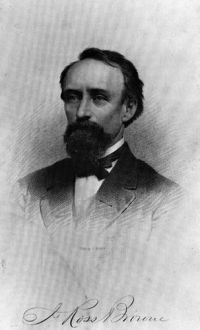
Portrait of Robert Henry Codrington Robert Henry Codrington,  The Melanesians: Studies in their Anthropology and Folklore (1891)

“ There is another word used in Mota, never applied to the soul of man, but very illustrative of the native conceptions, and common also to Aurora, where it is used with a remarkable application; this word is nunuai. In Mota it is the abiding or recurrent impression on the senses that is called a nunuai; a man who has heard some startling scream in the course of the day has it ringing in his ears; the scream is over and the sound is gone, but the nunuai remains; a man fishing for flying-fish paddles all day alone in his canoe with a long light line fastened round his neck ”
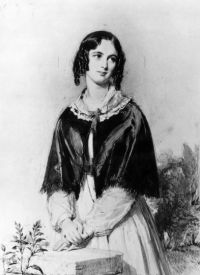
Source: Wikisource

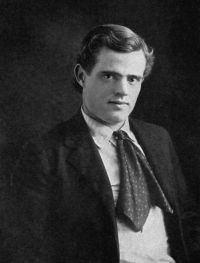
Portrait of Charlotte M. Yonge Charlotte M. Yonge,  Life of John Coleridge Patteson…

“ I have no doubt that much more has been really effected than is apparent to us now. Words have been said that have not been lost, and seed sown that will spring up some day. Just as at Mota, now, after some twelve or thirteen years, we first see the result in the movement now going on there, so it will be, by God's goodness, some day here. There at Mota the good example of George Sarawia, the collective result of the teaching of many years, and the steady conduct, with one exception, of the returned scholars, have now been blessed by God to the conversion of many of the people. ”
Source: Gutenberg

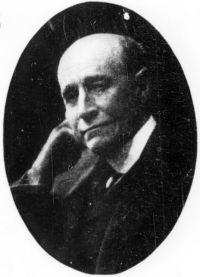
Portrait of James George Frazer James George Frazer,  The Golden Bough: A Study in Magic and Religion…

“ Melanesian conception of the tamaniu, a person's external soul lodged in an animal or other object. Among the Melanesians of Mota, one of the New Hebrides islands, the conception of an external soul is carried out in the practice of daily life. The Mota word for soul is atai. “The use of the word atai in Mota seems properly and originally to have been to signify something peculiarly and intimately connected with a person and sacred to him, something that he has set his fancy upon when he has seen it in what has seemed to him a wonderful manner, or some one has shewn it to him as such. ”
Source: Gutenberg

Get perspective with Kwize: daily news enlightened by great literature