Mount Monadnock

Definition and stakes

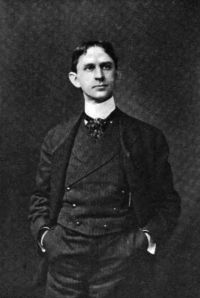
Portrait of Thomas Augustus Jaggar Thomas Augustus Jaggar,  My experiments with volcanoes (1956)

“ Mount Monadnock may stand high because the springs under the river pattern of cracks neglected it in the rotting and crunching of a continent.
Dynamic weight eternally falling makes low places. Hardness against weathering makes a mountain high only as a relic or residual. It is a node in the gigantic process of gravitation rotting and the spring squirting of groundwater. The water heats, rises, dissolves, siphons, springs up, and transports dirt. Underneath is a definitely heated earth crust.
”
Source: Gutenberg

George W. Bain,  The Flow of Time in the Connecticut Valley…

“ The gently undulating New England upland stretches off to the north and east for miles. The innumerable hills which compose it integrate to form a horizontal skyline, which suggests a flat erosional plane, originally formed at, or near, the level of the sea. To 52 the northeast Mount Monadnock in New Hampshire rises prominently above the general level, for its extremely resistant rock withstood reduction by weather and water more effectively than the weaker bedrock on every side. ”
Source: Gutenberg

Elizabeth Weston Timlow,  The Heart of Monadnock (1922)

“ Overhead, wheeling in majestic flight, swam the eagle in the sapphire ocean of space without a stroke of his spreading wings—swinging high, now disappearing over Keene, now back again, now floating to the southwest. Intoxicating business! to float soundlessly like that in that far expanse!
To the right, etched clearly against those depths of melting blue, looms high Monadnock's mighty purple majesty. How intensely blue is the sky as seen behind it! It is sheer cliff from this point of vision; deep indigo shadows rest for a moment on its summit as a cloud-mass for an instant obscures the sun
”
Source: Wikisource

Get perspective with Kwize: daily news enlightened by great literature