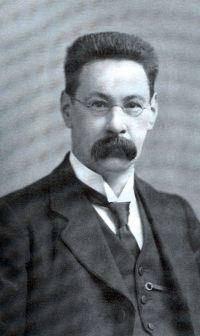
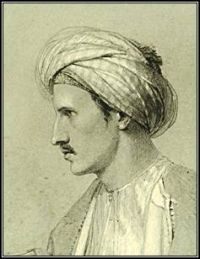
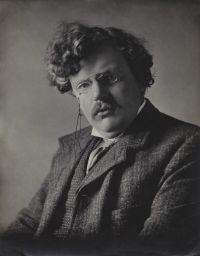
The concept of the "Muslim world" includes regions and societies where Islam plays a cultural, political, or religious role, covering more than 50 countries with varied histories and traditions. From the scientific and philosophical achievements of the Islamic Golden Age to today's geopolitical situations, the theme reveals both unity and division within the Ummah. Scholars such as Albert Ten Eyck Olmstead highlighted Islam's global impact and territorial extent, while Duncan Black MacDonald viewed it as a dynamic force influencing modern civilizations.
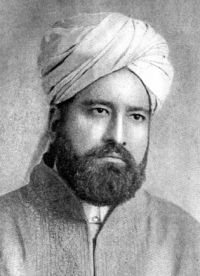
Khwaja Kamal-ud-Din emphasized Islamic principles of religious tolerance, and Theodore R. W. Lunt stressed its historical endurance and lasting influence. These viewpoints, along with contemporary political discussions like Barack Obama's appeal for mutual respect, demonstrate the theme's complexity—reconciling tradition with modernity, spirituality with politics. The Muslim world continues to be a multifaceted entity, shaped by its internal variety and changing global connections.