
Myriapoda

Definition and stakes

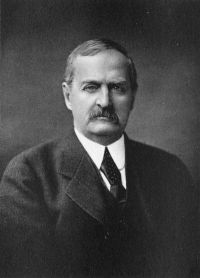
Portrait of Horatio C Wood, Jr. Horatio C Wood, Jr.,  The Myriapoda of North America (1865)

“ The poorly developed nervous system and organs of special sense, the short weak legs, and the weak muscular and large intestinal development, all point to the vegetable nature of the food of this order and the associated sluggish habits, which indications the total absence of offensive armature confirms.
M. Brandt (Recueil) divided the Myriapoda into Myriapoda manducentia and Myriapoda sugentia. The former comprises all those which are provided with mandibles or jaws for seizing or devouring food.
”
Source: Wikisource

Portrait of Horatio C Wood, Jr. Horatio C Wood, Jr.,  The Myriapoda of North America (1865)

“ I have therefore divided the Diplopoda into two suborders, the Chilognatha and Sugentia, retaining old names, but giving new significance to them. The minor characters have seemed to me to confirm this, and to indicate that it is coincident with the plan on which the Myriapoda have been created. M. Brandt (Recueil, p. 26) divides the Chilopoda into the Schizotarsia and Holotarsia. ”
Source: Wikisource

Portrait of Horatio C Wood, Jr. Horatio C Wood, Jr.,  The Myriapoda of North America (1865)

“ Although this monograph of a single faunic group is not the place for a discussion of the history of the classification of the Myriapoda, yet it has seemed necessary to make this brief notice of and comparison between the works of the more recent authorities, before introducing what appears to the author to be the natural arrangement, which has been gradually developed by the various efforts; each adding something, each pushing forward a little towards the truth. ”
Source: Wikisource

Get perspective with Kwize: daily news enlightened by great literature