Nandi people

Definition and stakes

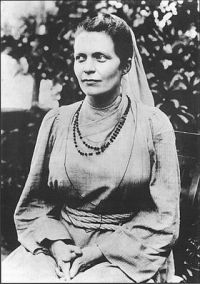
Portrait of James George Frazer James George Frazer,  Psyche's task (1913)

“ At the present day the principal medicine-man of the Nandi, a tribe in British East Africa, is also supreme chief of the whole people. He is a diviner, and foretells the future: he makes women and cattle fruitful; and in time of drought he obtains rain either directly or through the intervention of the rainmakers. The Nandi believe implicitly in these marvellous powers of their chief. His person is usually regarded as absolutely sacred. Nobody may approach him with weapons in his hand or speak in his presence unless he is first addressed ”
Source: Gutenberg

1911 Encyclopædia Britannica (1911)

“ The Nandi believe in a supreme deity—Asis—who takes a benevolent interest in their welfare, and to whom prayers are addressed daily. They also worship ancestors and consider earthquakes to be caused by the spirits moving in the underworld. They practise circumcision, and girls undergo a similar operation. Spitting is a sign of blessing. Their scanty clothing consists chiefly of dressed skins. The tribal mark is a small hole bored in the upper part of the ear. Their language is Nilotic and in general construction resembles the Masai. ”
Source: Wikisource

1911 Encyclopædia Britannica (1911)

“ Like the Masai, Turkana and Suk, the Nandi-Lumbwa tribes were originally nomadic, but they have become agriculturists. They own large herds of cattle. They have a double administrative system, the chief medicine man or Orkoiyot being supreme chief and regulating war affairs, while representatives of the people, called Kiruogik, manage the ordinary affairs of the tribe. The medicine men are of Masai origin and the office is hereditary. The young men form a separate warrior class to whom is entrusted the care of the country. ”
Source: Wikisource

Get perspective with Kwize: daily news enlightened by great literature