National Congress

Definition and stakes

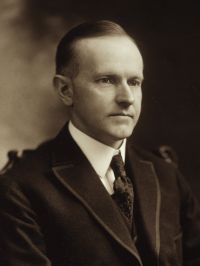
Portrait of Woodrow Wilson Woodrow Wilson,  Congressional Government

“ Taking Congress as the central and predominant power of the system, their object is to illustrate everything Congressional. Everybody has seen, and critics without number have said, that our form of national government is singular, possessing a character altogether its own; but there is abundant evidence that very few have seen just wherein it differs most essentially from the other governments of the world. There have been and are other federal systems quite similar, and scarcely any legislative or administrative principle of our Constitution was young even when that Constitution was framed. ”
Source: Gutenberg

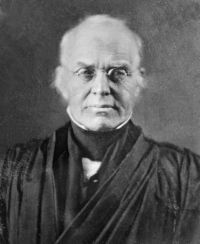
Portrait of Woodrow Wilson Woodrow Wilson,  An old master, and other political essays (1893)

“ The whole energy of origination under our system rests with Congress. It stands at the front of all government among us;149 it is the single affirmative voice in national policy. First or last, it determines what is to be done. The President, indeed, appoints officers and negotiates treaties, but he does so subject to the ‘yes’ of the Senate. Congress organizes the executive departments, organizes the army, organizes the navy. It audits, approves, and pays expenses. It conceives and directs all comprehensive policy. All else is negation. ”
Source: Gutenberg

J. N. Larned,  History for ready reference, Volumes 1 to 5 (1895)

“ The legislative, executive, and judicial powers are organs of
the national sovereignty, harmonious and independent among
themselves.
Article 16.
The legislative power is vested in the national Congress, with
the sanction of the President of the Republic.
§ 1. The national Congress is composed of two branches, the
Chamber of Deputies and the Senate.
§ 2. The elections for senators and for deputies shall be held
simultaneously throughout the country.
§ 3. No person shall be senator and deputy at the same time.
”
Source: Gutenberg

Get perspective with Kwize: daily news enlightened by great literature