Omar ibn Sa'd

Definition and stakes

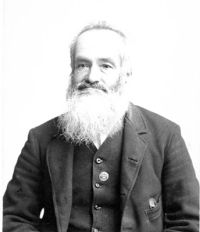
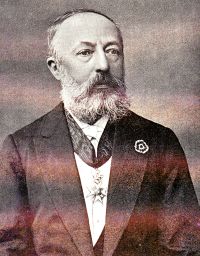
Portrait of E. M. Hull E. M. Hull,  The shadow of the East

“ Mukair Ibn Zarrarah, elderly when his sons had been born, had aged with startling suddenness since the death of Omar. He had all at once become an old man, unable to rally from the shock of his bereavement, bewailing the fate of his elder and favourite son, and trembling for the future of his beloved tribe left to the tender mercies of a man he now recognised to be more Frenchman than Arab. He exaggerated every Francophile tendency he saw in Saïd and cursed the French as heartily as ever Omar had done, forgetting that he himself was largely responsible for the inclinations he objected to. ”
Source: Gutenberg

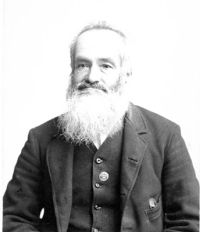
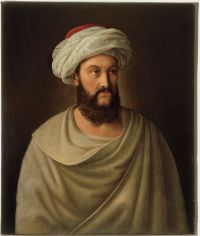
Portrait of George Rawlinson George Rawlinson,  The Seven Great Monarchies Of The Ancient Eastern World…

“ A man in such a position necessarily made himself enemies; and complaints were frequently carried to Omar of his lieutenant’s pride, luxury, and injustice. What foundation there may have been for these charges is uncertain; but it seems that Omar was persuaded, towards the close of A.D. 640, or very early in A.D. 641, that they were of sufficient weight to make it necessary that they should be investigated. He accordingly recalled Sa’ad from his government to Medina, and replaced him at Kufa by Ammar Ibn Yaser. ”
Source: Gutenberg

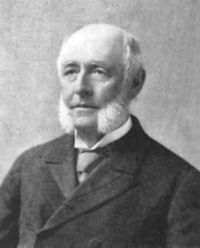
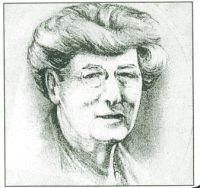
Portrait of William Muir William Muir,  The Caliphate: Its Rise, Decline and Fall…

“ About the same time, 'Omar appointed another early convert of singular religious merit, 'Abdallah ibn Mas'ud, who had in early days, like 'Ammar, been a slave at Mecca to a post at Al-Kufa, for which, however, he was better fitted,—the charge of the treasury. He had been the body-servant of the Prophet, who was used to call him "light in body, but weighty in faith."1 He was learned in the Kor'an, and had a "reading" of his own, to which as the best text, he held persistently against all recessions. ”
Source: Wikisource

Get perspective with Kwize: daily news enlightened by great literature