Oregon boundary dispute

Definition and stakes

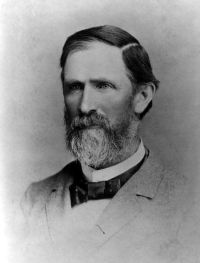
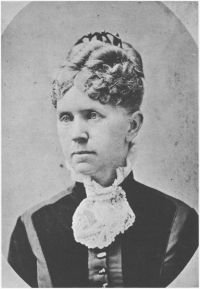
Portrait of Frances Fuller Victor Frances Fuller Victor,  History of Oregon (1886)

“ Having made their choice, finding the United States government slow to act in the matter of boundary and title, and fearing the encroachment of immigrants who might dispute with them their right to a land monopoly in certain localities, it was their only recourse to secure the establishment of a temporary government, or even an independent one, which should confirm by law the claims already taken or that might be taken under the law. ”
Source: Wikisource

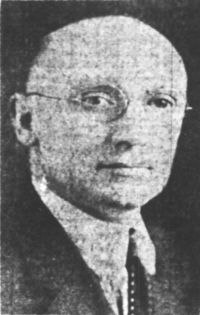
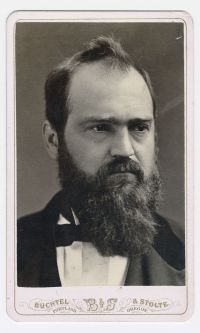
Portrait of Harvey Whitefield Scott Harvey Whitefield Scott,  Oregon Historical Quarterly (1901)

“ No delegate to congress was elected by the people during the existence of the Provisional Government. After the settlement of the boundary dispute with Great Britain, it was hoped and expected that the jurisdiction and laws of the United States would be extended speedily over the Oregon territory. Yet congress at the next ensuing session took no action, and the people of Oregon were greatly disappointed. The cost of maintaining the Provisional Government and of upholding the sovereignty of the United States over this vast territory was weighing heavily on them. ”
Source: Wikisource

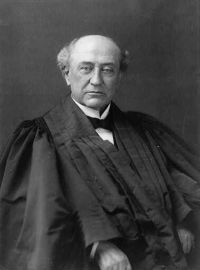
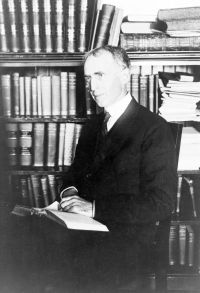
Portrait of Harlan F. Stone Harlan F. Stone,  United States v. Oregon (295 U.S. 1…

“ In the view we take of the issues which are decisive of the present controversy between the United States and Oregon, it is unnecessary to determine the rights in the disputed area of the owners, other than Oregon, of uplands bordering on the meander line boundary, whether their claims are based upon reliction or the acquisition of an interest as an incident to the grants by the United States of uplands bordering the meander line. ”
Source: Wikisource

Get perspective with Kwize: daily news enlightened by great literature