Parable of the Ten Virgins

Definition and stakes

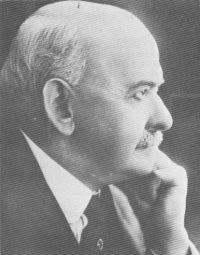
Portrait of Arno Clemens Gaebelein Arno Clemens Gaebelein The Lord of Glory

In the parable of the ten virgins the three great marks of a true believer are stated by our Lord. These are: Separation, indicated by the virgins having gone forth. Manifestation, they had lamps, which are for the giving of light, and Expectation, they went forth to meet the Bridegroom. With five of them it was only an outward profession. The foolish virgins are the type of such who are Christians in name only and do not know the reality of these characteristics. The Lord knew them not. These three characteristics are seen in Paul’s first epistle to the Thessalonians.
Source: Gutenberg

Methodius Ante-Nicene Fathers Vol. VI, Banquet of the Ten Virgins… (1885)

Now, here the Spirit seems quite plainly to praise virginity, next, as we have explained, to the Bride of the Lord, who promises that the virgins shall approach second to the Almighty with joy and gladness, guarded and escorted by angels. For so lovely and desirable is in truth the glory of virginity, that, next to the Queen, whom the Lord exalts, and presents in sinless glory to the Father, the choir and order of virgins bear her company, assigned to a place second to that of the Bride.
Source: Wikisource

Methodius Ante-Nicene Fathers Vol. VI, Banquet of the Ten Virgins… (1885)

Chapter VII.—The Virgins, [1] the Righteous Ancients; The Church, the One Only Spouse, More Excellent Than the Others.
Now he calls by the name of virgins, who belong to a countless assembly, those who, being inferior to the better ones, have practised righteousness, and have striven against sin with youthful and noble energy. But of these, neither the queens, nor the concubines, nor the virgins, are compared to the Church.
Source: Wikisource

Get perspective with Kwize: daily news enlightened by great literature