Piedmontese

Definition and stakes

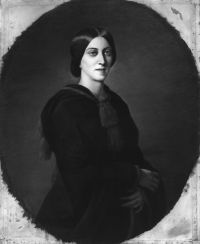
Mary Murdoch Mason Mae Madden

The Piedmontese officer is godlike. He must be of a certain imposing height to obtain his position, and his luxurious yellow moustaches and blue black eyes, enriched and intensified by southern blood, give him a strange fascination. The cold, manly beauty and strength of a northern blonde meet with the heat and lithe grace of the more supple southerner to produce this paragon. There is a combination of half-indolent elegance and sensuous langour, with a fire, a verve, a nobility, that puts him at the very head of masculine beauty.
Source: Gutenberg

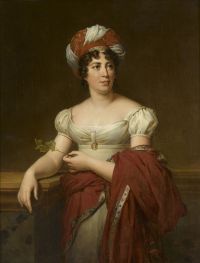
Edward Bunbury, Thomas Ashby, Robert Conway, John A. Symonds, John Rose, Luigi Villari & Henry Steed 1911 Encyclopædia Britannica (1911)

The Italian cause had been crushed, but revolution and war had strengthened the feeling of unity, for Neapolitans had fought for Venice, Lombards for Rome, Piedmontese for all Italy. Piedmont was shown to possess the qualities necessary to constitute the nucleus of a great nation. It was now evident that the federal idea was impossible, for none of the princes except Victor Emmanuel could be trusted, and that unity and freedom could not be achieved under a republic, for nothing could be done without the Piedmontese army, which was royalist to the core.
Source: Wikisource

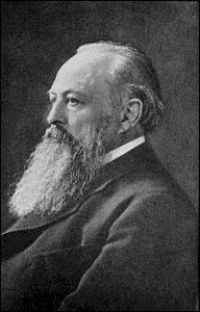
Portrait of Fredrika Bremer Fredrika Bremer Life in the Old World (1860)

Awakened by the noble Piedmontese, Gioberti, in his Primato d'Italia, it entered with new life into millions of souls. “A united and free Italy! A fraternal, free, and humanly-noble people!” was the cry which was heard from the Cottian Alps to the foot of Etna. In Piedmont, a very distinguished and liberal-minded man had already given the State an impulse towards independence and constitutional freedom. Carlo Alberto, at that time king, and Duke of Savoy, had early shown sympathy with this freedom.
Source: Wikisource

Get perspective with Kwize: daily news enlightened by great literature