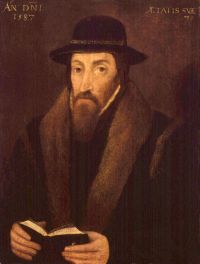
Pope Paul II

Definition and stakes

1911 Encyclopædia Britannica, Volume 20… (1911)

“ The pope carried on fruitless negotiations (1469) with the emperor Frederick III. for a crusade against the Turks. Paul endeavoured to make drastic reforms in the curia, and abolished the college of abbreviators (1466) , but this called forth violent protests from the historian Platina, one of their number and subsequently librarian under Sixtus IV., who is responsible for the fiction that Paul was an illiterate persecutor of learning. It is true that the pope suppressed the Roman academy, but on religious grounds. ”
Source: Wikisource

1911 Encyclopædia Britannica, Volume 20… (1911)

“ Elected pope, on the 23rd of May 1555, in the face of the veto of the emperor, Paul regarded his elevation as the work of God. With his defects of temper, his violent antipathies, his extravagant notion of papal prerogative, his pontificate was filled with strife. Blinded by ungovernable hatred he joined with France (1555) in order to drive the “accursed Spaniards” from Italy. But the victory of Philip II. at St Quentin (1557) and the threatening advance of Alva upon Rome forced him to come to terms and to abandon his French alliance. He denounced the peace of Augsburg as a pact with heresy ”
Source: Wikisource

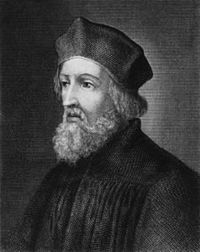
Portrait of Jan Hus Jan Hus,  De Ecclesia. The Church (1915)

“ But Peter and Paul did not make any such statement about themselves, for they did not have any power given them by Cæsar. For this reason, Paul truly and humbly made this confession concerning himself: "I am least of all the apostles, who am not worthy to be called an apostle," I Cor. 15:9. On this account, therefore, the Roman pontiff would not make such a profession if the imperial dignity were not in the way. Wherefore, the conclusion holds that from God direct and not from a man—who is not God—or from a mere man, does the pope hold the excellency of his rank. ”
Source: Wikisource

Get perspective with Kwize: daily news enlightened by great literature