Rabbinics

Definition and stakes

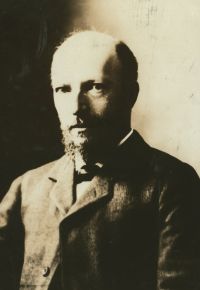
Portrait of Hartmann Grisar Hartmann Grisar,  Luther, vol. 5 of 6

“ From that time he begins to put the Jews in the same category with the Turks and the Papists.
The more he studies the text of the Old Testament, and the Old Jewish commentators, the more indignant he grows at the misrepresentations and trivialities to be met with in the works of the Rabbis. According to him, they are oxen and donkeys; they are as bad as the monks; with their droppings they make of Holy Scripture, as it were, a sink into which to empty their obscenity and stupid imaginings.
”
Source: Gutenberg

James Patrick,  Evangelists of Art: Picture-Sermons for Children

“ A boy near one of the pillars is waving a long streamer in the air to frighten them away. But our attention is principally drawn to the foreground of the picture. This part of the portico is richly carpeted, and here a number of Jewish Rabbis—the doctors or teachers of the Law—are sitting in a half-circle, facing the doorway. They are grave men, with long beards and flowing robes. Many of them are old and grey. The Rabbi nearest us has a specially withered face, and eyes that have become sightless with age. ”
Source: Gutenberg

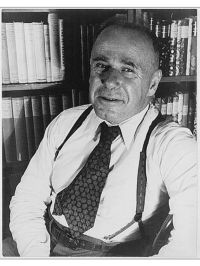
Portrait of Hutchins Hapgood Hutchins Hapgood,  The Spirit of the Ghetto: Studies of the Jewish Quarter in New York

“ They are mainly very poor, live in the barest of the tenement houses and pursue a calling which no longer involves much honor or standing. In the old country, in Russia—for most of the poor ones are Russian—the rabbi is a great person. He is made rabbi by the state and is rabbi all his life, and the only rabbi in the town, for all the Jews in every city form one congregation, of which there is but one rabbi and one cantor. ”
Source: Gutenberg

Get perspective with Kwize: daily news enlightened by great literature