Rhode Island General Assembly

Definition and stakes

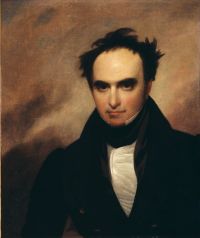
Portrait of George Washington Greene George Washington Greene,  A short history of Rhode Island

“ The charter left a doubt concerning the manner of choosing the state magistrates. Should they be elected by the freemen in town meeting, or by the General Assembly? The democratic instinct prevailed, and the choice was left to the freemen.
There was a still graver question to be decided, requiring firmness, self-control and skilled diplomacy. Rhode Island had never been looked upon by Massachusetts with friendly eyes. That a banished man should have become the founder of a new colony close upon her borders was irritating to her pride.
”
Source: Gutenberg

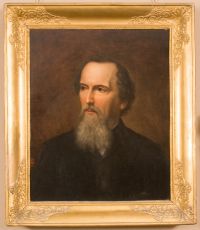
Portrait of George Washington Greene George Washington Greene,  A short history of Rhode Island

“ At the appointed time three messengers presented themselves, bringing the submission of the inhabitants to “his Majesty’s will,” and a petition of householders for the freedom of the island. Three select men were chosen to govern it with power to “call town meetings,” hear causes under forty shillings, and where a greater amount was involved, grant appeals to the General Court of Trials, and “issue warrants in criminal cases.” Their representation in the Assembly was fixed at two, and their attention was called to the clause in the charter declaring freedom of conscience. ”
Source: Gutenberg

Get perspective with Kwize: daily news enlightened by great literature