Robert Orange

Definition and stakes

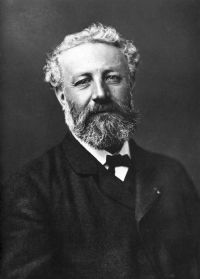
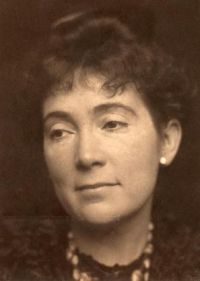
Portrait of John Oliver Hobbes John Oliver Hobbes,  Robert Orange

“ Disraeli believes in Robert Orange.”
“I never heard of him,” observed Sir Piers. “Who is he?”
“You may well ask,” said Lord Garrow. “He claims to be a de Hausée—on his father's side. Reckage can tell you about him. Many have a high opinion of the fellow, and say that if he will stick to one branch of politics, he may become useful. Personally, I don't call him a man of the world.”
“Not of our world, perhaps, papa. But there are so many other worlds!”
“Sara likes him. A lot of women like him,” said his lordship.
”
Source: Gutenberg

Portrait of John Oliver Hobbes John Oliver Hobbes,  Robert Orange

“ Henry Marshire is a man of the nicest feeling. He is never guilty of the least mistake.”
Sara smiled, and so disguised a blush.
“I did not mean Marshire,” she said. “I was thinking then of Robert Orange.”
“Robert Orange,” exclaimed Lord Garrow in astonishment.
“Yes, dear papa. Is he not sometimes at the Carlton with Lord Wight? He seems to me a coming man; and so good-looking. We must really ask him to dinner.”
”
Source: Gutenberg

Sidney Lee,  Dictionary of National Biography… (1912)

“ In 'Robert Orange,' a novel which appeared in July 1902, she ingeniously elaborated the psychological study which she began in 'The School for Saints.' The hero, Robert Orange, was a deliberately idealised portrait of Disraeli, in whose career and character she developed an intense interest. ”
Source: Wikisource

Get perspective with Kwize: daily news enlightened by great literature