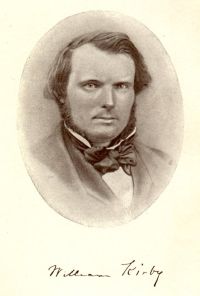
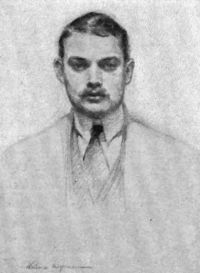
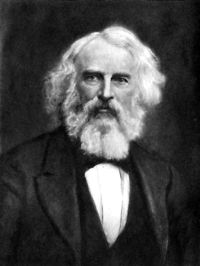
A carillon is a percussion instrument composed of at least 23 bronze bells, played using a keyboard and pedals, typically located in towers. Originating in the Low Countries, it combines mechanical accuracy with cultural significance, functioning as both a timepiece and a musical form of expression.
Authors such as William Elliot Griffis praised its soulful presence in Belgium, while Edward Neville Vose described it as “the orchestra of the poor,” highlighting its role in community life. Robert W. Chambers outlined its chromatic arrangement, and John R. Carling captured the eerie echoes of its chimes in cathedrals. UNESCO acknowledges carillons as intangible heritage, emphasizing their lasting connection to history, craftsmanship, and the cadence of everyday life.
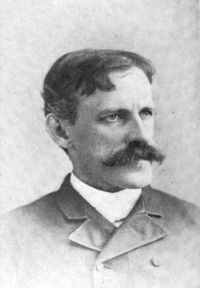 William Elliot Griffis,
Swiss Fairy Tales
(1920)
William Elliot Griffis,
Swiss Fairy Tales
(1920)