A Royal Commission is a formal body appointed by a monarch to examine particular issues or formulate proposals, often paving the way for legislative measures. Historically, such bodies have been utilized to tackle intricate matters that fall outside the scope of parliamentary duties, as observed by Sir P. Chalmers Mitchell, who emphasized their role in collecting evidence for policy changes.
Works such as The Slippery Slope question their structure, while King Edward VII’s addresses highlight their cooperative implementation. The Record Commission’s archival records shed light on their administrative complexities, ranging from procedures for royal approval to historical record-keeping. These diverse viewpoints demonstrate the commission’s dual role as both an instrument of governance and a subject of examination, reflecting shifting political and bureaucratic norms.
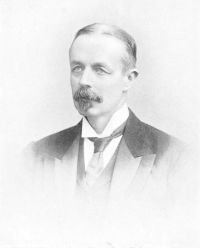 William Amias Bailward,
The Slippery Slope
(1920)
William Amias Bailward,
The Slippery Slope
(1920)