Saint Ignatius of Loyola

Definition and stakes

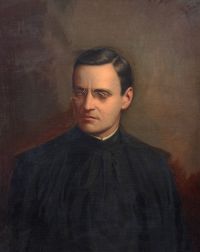
J. M. Stone Studies from Court and Cloister…

Ignatius of Loyola, being a man of the world as well as a saint, was well aware of the perils to which he exposed his sons, in sending them forth into the midst of vanities, while at the same time, having had some experience of courts, he knew that princes love not contradiction. But he decided after mature deliberation that after all his "least Society" was created to do a certain work in the Church and in the world, the need of which work was only too apparent in the decayed state of faith and morals.
Source: Gutenberg

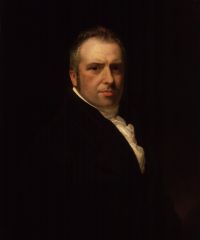
Portrait of William Hone William Hone The Every-day Book and Table Book…

The letters he wrote were preserved as relics for miraculous purposes; and a later saint carried the autograph of Ignatius about him as a relic. If one of Ignatius’s autographs be coveted in England, it may probably be discovered in the reliquary of Mr. Upcott at the London Institution.
Enough has certainly been said of St Ignatius Loyola; yet less space could hardly have been devoted to the founder of the celebrated order of the Jesuits, a body which perforates and vermiculates through every part of the civilized world wherein the Romish religion predominates, or has ever prevailed.
Source: Gutenberg

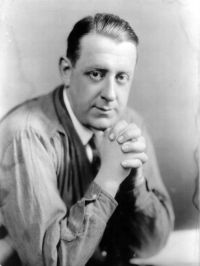
Saint of Loyola Ignatius The Autobiography of St. Ignatius

The soldier also made his to Ignatius. After the walls were destroyed, Ignatius stood fighting bravely until a cannon ball of the enemy broke one of his legs and seriously injured the other.
When he fell, the citadel was surrendered. When the French took possession of the town, they showed great admiration for Ignatius. After twelve or fifteen days at Pampeluna, where he received the best care from the physicians [Pg 21] of the French army, he was borne on a litter to Loyola. His recovery was very slow, and doctors and surgeons were summoned from all parts for a consultation.
Source: Gutenberg

Get perspective with Kwize: daily news enlightened by great literature