Sanders of the River

Definition and stakes

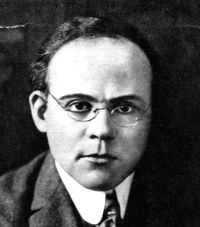
Portrait of Edgar Wallace Edgar Wallace Sanders of the River

Sanders was taking a short cut through the forest to avoid the interminable twists and bends of the river, when he came suddenly upon a village of death—four sad little huts, built hastily amidst a tangle of underwood. He called, but nobody answered him. He was too wary to enter any of the crazy habitations.
He knew these little villages in the forest. It was the native custom to take the aged and the dying—especially those who died sleepily—to far-away places, beyond the reach of man, and leave them there with a week's food and a fire, to die in decent solitude.
Source: Gutenberg

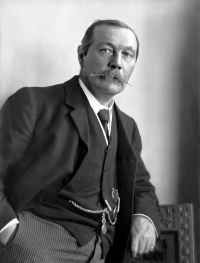
Portrait of Edgar Wallace Edgar Wallace Sanders of the River

Sanders grinned internally.
"Spare your breath," he said gently. "You who go hunting elephants, for it is a long journey to the Great Forest, and there are many swamps to be crossed, many rivers to be swum. My heart is glad that I have come in time to bid you farewell."
There was a most impressive silence, for this killing of elephants was a stray excuse of the chief's. The Great Forest is a journey of two months, one to get there and one to return, and is moreover through the most cursed country, and the Akasava are not a people that love long journeys save with the current of the river.
Source: Gutenberg

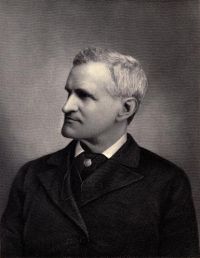
Portrait of Edgar Wallace Edgar Wallace Sanders of the River — XIII.—THE SEER (1911)

Sanders was silent save for an unsympathetic sniff.
"Also, master," said the chief, "if the truth be told, this palaver is not of the Akasava alone, for all along the big river men are rebellious, obeying a new ju-ju more mighty than any other."
"I know little of ju-jus," said Sanders shortly, "only I know that a white man has died and his spirit walks abroad and will not rest until I have slain men. Whether it be you or another I do not care—the palaver is finished."
Source: Wikisource

Get perspective with Kwize: daily news enlightened by great literature