Septimius Severus

Definition and stakes

The historians' history of the world in twenty-five volumes…

“ In due course the man who has thus bargained for an empire pays the penalty of his ambition; then a turmoil ensues between the rival aspirants to the succession, which ends, naturally enough, with the death of all but one; he, Septimius Severus by name, gives to the empire a moment of relative tranquillity; and at last presents a spectacle hardly less strange than all the others,—the spectacle of a Roman emperor dying a natural death. We shall not see the like again for many a reign.
Following Severus come his two sons, Caracalla and Geta.
”
Source: Gutenberg

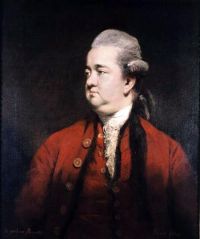
Portrait of Edward Gibbon Edward Gibbon,  The History of the Decline and Fall of the Roman Empire (1897)

“ The name of Septimius Severus marks an important stage in the development of the Principate of Augustus into the absolute monarchy of Diocletian. If he had been followed by emperors as strong and far-sighted as himself, the goal would have been reached sooner; and, moreover, the tendencies of his policy would have been clearer to us. But the administration of his immediate successors was arbitrary; and the reaction under Alexander threw things back. Severus had no Tiberius or Constantine to follow him; and like Augustus he committed the error of founding a dynasty. ”
Source: Wikisource

James Smith Reid,  1911 Encyclopædia Britannica, Volume 24… (1911)

“ The natural gifts of Severus were of no unusual order. He had a clear head, promptitude, resolution, tenacity and great organizing power, but no touch of genius. That he was cruel cannot be questioned, but his cruelty was of the calculating kind, and always directed to some end. He threw the head of Niger over the ramparts of Byzantium, but merely as the best means of procuring a surrender of the stubbornly defended fortress. ”
Source: Wikisource

Get perspective with Kwize: daily news enlightened by great literature