Simeon Stylites

Definition and stakes

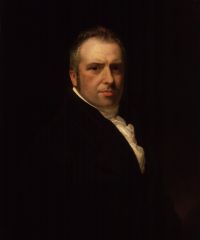
Portrait of William Edward Hartpole Lecky William Edward Hartpole Lecky,  History of European Morals From Augustus to Charlemagne…

“ St. Simeon Stylites, in this as in other respects, stands in the first line. He had been passionately loved by his parents, and, if we may believe his eulogist and biographer, he began his saintly career by breaking the heart of his father, who died of grief at his flight. His mother, however, lingered on. Twenty-seven years after his disappearance, at a period when his austerities had made him famous, she heard for the first time where he was, and hastened to visit him. But all her labour was in vain. ”
Source: Gutenberg

Portrait of William Hone William Hone,  The Every-day Book and Table Book…

“ This saint visited St. Simeon Stylites on his pillar and had his fortune told. He ate coarse pulse and wild herbs, never tasted bread for thirty years, founded a monastery for an unlimited number of monks, dug one grave large enough to hold the whole community, when he received strangers, and had not food enough, he prayed for its miraculous increase and had it multiplied accordingly, prophesied while he was dying, died in 529, and had his hair shirt begged by a count, who won a victory with it. ”
Source: Gutenberg

William A. Quayle,  A Hero and Some Other Folks

“ Man has lost in romantic glitter of costume and bearing, but has gained immeasurably in manhood. The gospel is peopling the world with men. To suppose God meant to change men to saints was a misconception. St. Simeon Stylites was that old misconception realized. We can but honor him, so vast his hunger, so noble his strife, so courageous his attitude, when he shouts, "I smote them with the cross;" but St. Simeon did not realize God's notion. Goodness is fraternal, accessible, genial. John Storm, in Hall Caine's "The Christian," is susceptible to the same criticism. He is not balanced. ”
Source: Gutenberg

Get perspective with Kwize: daily news enlightened by great literature