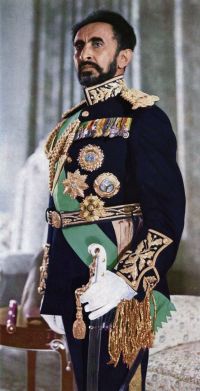
South Sudan, a landlocked nation in East Africa, gained independence in 2011 following a referendum, with Sudan, Ethiopia, Kenya, Uganda, the Democratic Republic of the Congo, and the Central African Republic as its neighbors. Its history is characterized by civil conflicts, ethnic tensions, and weak governance, as depicted in various literary and historical works. The Southern Sudan Constitutional Drafting Committee defined the nation’s identity through principles of fairness and local governance, while Haile Selassie stressed African unity in diplomatic settings.
Freiherr von Rudolf Carl Slatin’s vivid portrayals of the Mahdist period highlighted the region’s remoteness, and A. H. Keane’s ethnographic studies emphasized its intricate population dynamics. These viewpoints together reveal South Sudan’s challenge of reconciling its divided past with ambitions for self-rule, demonstrating how its story is influenced by both constitutional aspirations and ongoing geopolitical pressures.