Uganda, a landlocked country in East-central Africa, is bordered by Kenya, South Sudan, the Democratic Republic of the Congo, Rwanda, and Tanzania, with Lake Victoria forming part of its southern boundary. Historically influenced by Bantu and Nilotic migrations, colonial governance, and post-independence instability, Uganda’s identity is closely linked to its diverse ethnic communities, productive terrain, and strategic position within the Nile basin.
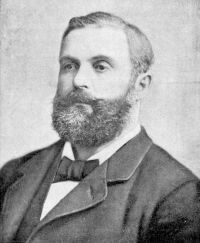
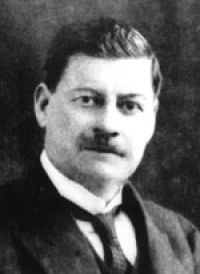
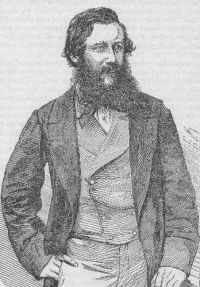
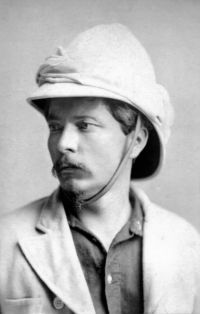
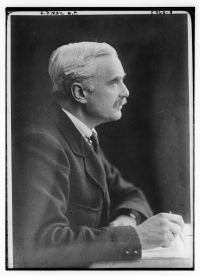
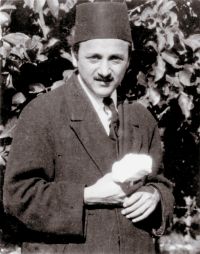
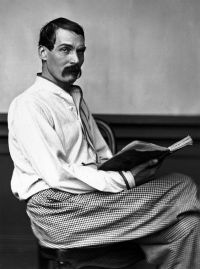
Authors such as Winston Churchill highlighted its "fairy-tale" charm and intricate colonial administration, while Theodore Roosevelt underscored its distinctive Christian evolution and the need to promote indigenous interests. Samuel Murray observed the coexistence of British rule and local autonomy, and Henry Wack contrasted Uganda’s limited infrastructure with that of the Congo. These viewpoints together emphasize Uganda’s lasting duality: a country abundant in natural and cultural wealth yet shaped by the remnants of colonialism and political change.