Spanish East Indies

Definition and stakes

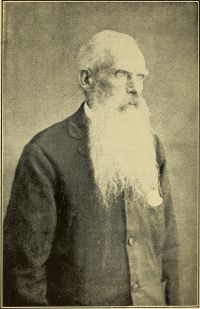
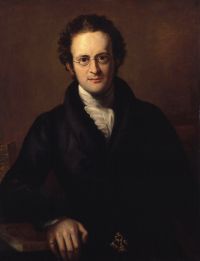
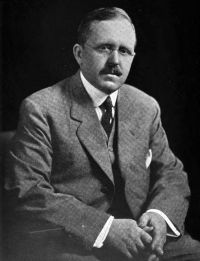
Portrait of James Anthony Froude James Anthony Froude,  The English in the West Indies…

“ French influence is in no danger of dying out in Martinique and Guadaloupe. [Pg 108] The Spanish race is not dying in Cuba and Puerto Rico. England will soon be no more than a name in Barbadoes and the Antilles. Having acquitted our conscience by emancipation, we have left our West Indian interest to sink or swim. Our principle has been to leave each part of our empire (except the East Indies) to take care of itself: we give the various inhabitants liberty, and what we understand by fair play ”
Source: Gutenberg

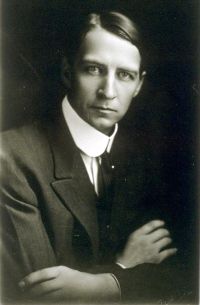
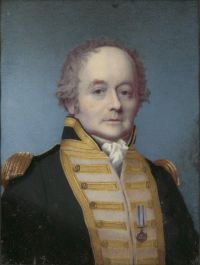
Portrait of Aimé Bonpland Aimé Bonpland,  Personal Narrative of Travels to the Equinoctial Regions of America…

“ This circumstance, together with the increase of the native mountain population, the almost exclusive possession of great metallic wealth, and the commercial relations established from the beginning of the sixteenth century with the Indian archipelago, have given a peculiar character to the Spanish possessions in equinoctial America. In the East Indies, the people who fell into the hands of the English and Portuguese settlers were wandering tribes or hunters. ”
Source: Gutenberg

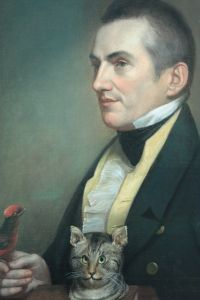
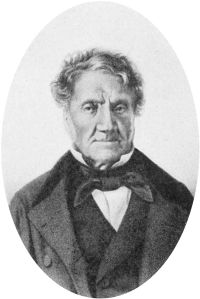
Portrait of James Rodway James Rodway,  The West Indies and the Spanish Main

“ Starvation, with its consequent sickness and [Pg ix] death, destroyed one party after another, but they still went on. The discovery of the riches of Mexico and Peru led them to look for other rich nations, and to travel thousands of miles on the mainland, guided by the reports of the Indians. Undaunted by suffering and failure, they would often try again and again, perhaps only to perish in the attempt at last.
The treasures of the Indies made Spain the greatest nation in Europe. With her riches she could do almost anything.
”
Source: Gutenberg

Get perspective with Kwize: daily news enlightened by great literature