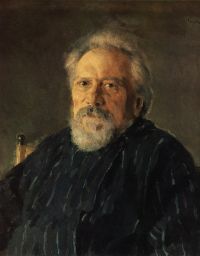
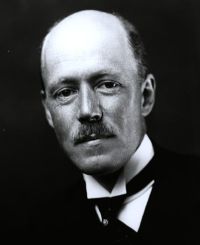
Stanisław Leszczyński (1677–1766), twice King of Poland and Grand Duke of Lithuania, maneuvered through turbulent political landscapes shaped by foreign interference and internal conflict. Historians such as Robert Nisbet Bain highlight his limited political influence despite his noble origins, while writers like Nikolai Leskov examined wider themes of authority and human nature in stories set against comparable historical settings.
His later position as Duke of Lorraine and supporter of the arts illustrates a legacy combining political maneuvering with cultural sponsorship, revealing the intricate relationship between personal drive and historical chance.