Tehran

Definition and stakes

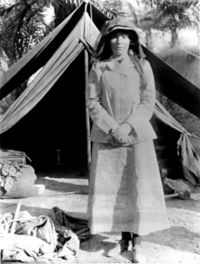
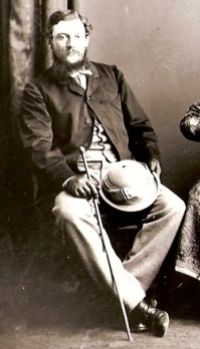
Portrait of Gertrude Lowthian Bell Gertrude Lowthian Bell,  Safar Nameh, Persian Pictures: A Book Of Travel

“ Tehran, which from the west looked almost like a city of the dead, cut off from intercourse with the outer world, is alive after [18] all and in eager relationship with a world of its own. Here in the dust and the sunshine is an epitome of the living East, and standing unnoticed in such a doorway, you will admit that you have not travelled in vain. But as the wonderful procession of people files past you, too intent upon their own affairs to give you more than a contemptuous glance, you will realize what a gulf lies between you. The East looks to itself ”
Source: Gutenberg

Portrait of Gertrude Lowthian Bell Gertrude Lowthian Bell,  Safar Nameh, Persian Pictures: A Book Of Travel

“ We rode out of sleeping Tehran, and took our way along the deserted track that skirts its walls; to our left lay the wilderness, wrapped in transparent shadow, and sloping gradually upwards to the barren foot-hills over which winds the road to Meshed. Before we had gone far, with a flash and a sudden glitter, the sun leapt up above the snow-peaks, and day rushed across the plain—day, crude and garish, revealing not the bounteous plenty of the cornfields and pastures which encircled Rages, but dust and stones and desert scrub, and the naked, forbidding mountains, wrinkled by many winters. ”
Source: Gutenberg

Portrait of Gertrude Lowthian Bell Gertrude Lowthian Bell,  Safar Nameh, Persian Pictures: A Book Of Travel

“ At length, in the twelfth century, an enemy more devastating than the Parthian hordes, more vindictive than the earthquake, swept over pleasant Khorasan and turned the fertile province into the wilderness it is to this day. Tartars from the uttermost ends of the earth left no stone of Rages standing, and the great Median city vanished from the history of men. A few miles to the north-east Tehran has sprung up to be the capital of modern Persia—a Persia to whom the glorious traditions of the past are as forgotten as the strength of Phraortes’ walls. ”
Source: Gutenberg

Get perspective with Kwize: daily news enlightened by great literature