Theodore of Tarsus

Definition and stakes

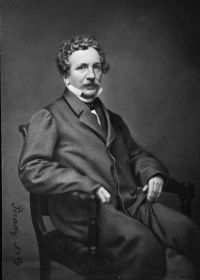
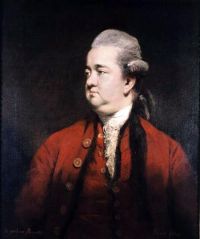
Portrait of Edward Gibbon Edward Gibbon,  History of the Decline and Fall of the Roman Empire…

“ Theodore, a monk of Tarsus in Cilicia, had been named to the primacy of Britain by Pope Vitalian, (A.D. 688; see Baronius and Pagi,) whose esteem for his learning and piety was tainted by some distrust of his national character—ne quid contrarium veritati fidei, Graecorum more, in ecclesiam cui praeesset introduceret. The Cilician was sent from Rome to Canterbury under the tuition of an African guide, (Bedae Hist. Eccles. Anglorum. l. iv. c. 1.) He adhered to the Roman doctrine ”
Source: Gutenberg

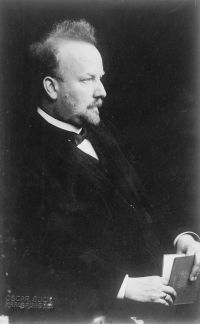
Portrait of Bede Bede,  Ecclesiastical History of the English Nation (1910)

“ There was at that time in Rome, a monk, called Theodore, well known to Hadrian, born at Tarsus in Cilicia, a man well instructed in worldly and Divine literature, as also in Greek and Latin; of known probity of life, and venerable for age, being sixty-six years old. Hadrian offered him to the pope to be ordained bishop, and prevailed; but upon these conditions, that he should conduct him into Britain, because he had already travelled through France twice upon several occasions, and was, therefore, better acquainted with the way, and was, moreover, sufficiently provided with men of his own ”
Source: Wikisource

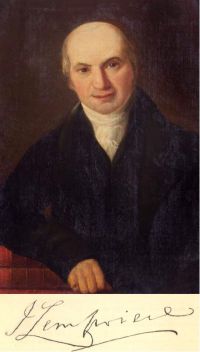
Portrait of John Lemprière John Lemprière,  A classical dictionary (1904)

“ Tarsus, now Tarasso, a town of Cilicia, on the Cydnus, founded by Triptolemus and a colony of Argives, or, as others say, by Sardanapalus, or by Perseus. Tarsus was celebrated for the great men it produced. It was once the rival of Alexandria and Athens in literature and the study of the polite arts. The people of Tarsus wished to ingratiate themselves into the favour of Julius Cæsar by giving the name of Juliopolis to their city, but it was soon lost. ”
Source: Gutenberg

Get perspective with Kwize: daily news enlightened by great literature