Thomas à Becket

Definition and stakes

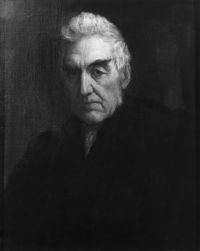
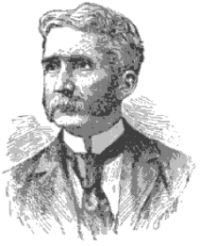
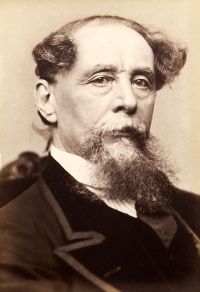
Portrait of Charles Dickens Charles Dickens A Child's History of England — Chapter 12 (1900)

Now, Thomas à Becket was proud and loved to be famous. He was already famous for the pomp of his life, for his riches, his gold and silver plate, his wagons, horses, and attendants. He could do no more in that way than he had done; and being tired of that kind of fame (which is a very poor one) , he longed to have his name celebrated for something else. Nothing, he knew, would render him so famous in the world, as the setting of his utmost power and ability against the utmost power and ability of the King.
Source: Wikisource

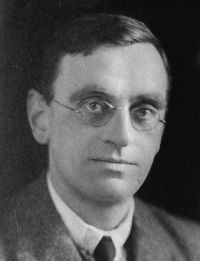
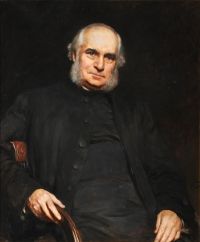
Portrait of Henry Hart Milman Henry Hart Milman Life of Thomas à Becket

Becket to stand on his dignity, to defy the worst, under the shelter of his priesthood; no one would venture to lay hands on a holy prelate. Foliot and his party betrayed their object.70 They exhorted him as the only way of averting the implacable wrath of the King at once to resign his see. "Would," said Hilary of Chichester, "you were no longer archbishop, but plain Thomas. Thou knowest the King better than we do; he has declared that thou and he cannot remain together in England, he as King, thou as Primate.
Source: Gutenberg

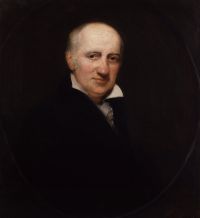
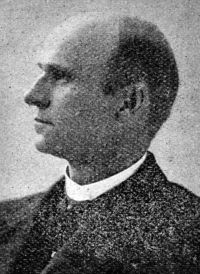
Portrait of H. C. Bailey H. C. Bailey The Fool — Chapter 20 (1921)

In his primate's splendour Becket rode and when he came to the King lit down and made to kiss his foot. But the King was too quick for him and sprang down and held his stirrup for him to mount again. "It is fit the less should serve the greater, Thomas," he said.
"Your servant am I, my lord, and your true servant," Becket looked down at him.
"If so you be, you shall be welcome to my realm," said the King.
"I ask no more than my just place and power, my lord."
"No man lacks justice of me and you last of all, Thomas."
Source: Wikisource

Get perspective with Kwize: daily news enlightened by great literature