Travancore

Definition and stakes

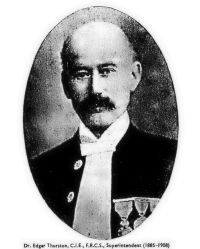
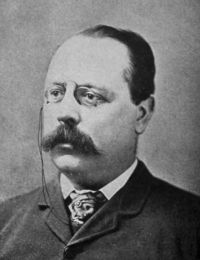
Portrait of Edgar Thurston Edgar Thurston,  Castes and Tribes of Southern India (1909)

“ They are, however, not a flourishing community, being averse to manual labour, and depending for their living on their hereditary profession. There are no more conservative people in Travancore, and none of them have taken kindly to western education. In their clothing they follow the orthodox Malabar fashion. The dress of the males seldom hangs loose, being tucked in in token of humility. ”
Source: Wikisource

Portrait of Edgar Thurston Edgar Thurston,  Castes and Tribes of Southern India (1909)

“ This temple is visited even by Brāhmans, and the priests are Aiyangars. The Achārya, or supreme religious authority of the Patnūlkārans, in Travancore is a Vaishnava Brāhman known as Ubhaya Vēdānta Kōti Kanyakādāna Tātāchāriyar, who lives at Aravankulam near Tinnevelly, and possesses a large number of disciples. Once a year he visits his flock in Travancore, and is highly respected by them, as also by the Mahārāja, who makes a donation of money to him. Elders are appointed to decide social disputes, and manage the common property of the caste. ”
Source: Wikisource

Portrait of Edgar Thurston Edgar Thurston,  Castes and Tribes of Southern India (1909)

“ About 300 M.E. a few male members were invited to settle in Travancore, and form marital alliances with the ladies of the Travancore Royal House, known then as the Vēnāt Svarūpam. Houses were built for them at Kilimānūr, six miles from Attingal, where all the female members of the Royal Family resided. In M.E. 963, eight persons — three males and five females — from the family of Āliakkōtu, oppressed by the invasion of Tīpū Sultan, sought shelter in Travancore. ”
Source: Wikisource

Get perspective with Kwize: daily news enlightened by great literature