Treaty of Lunéville

Definition and stakes

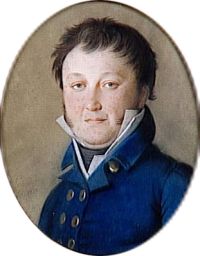
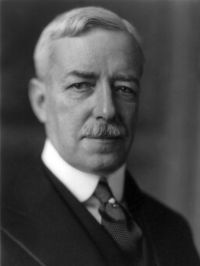
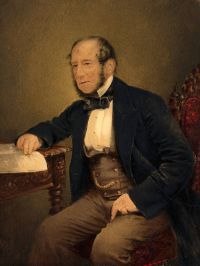
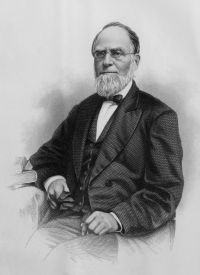
Portrait of John S. C. Abbott John S. C. Abbott Napoleon Bonaparte

I am still ready to make peace upon the fair basis of the treaty of Campo Formio."
While all the Continent was now at peace with France, England alone, with indomitable resolution, continued the war, without allies, and without any apparent or avowed object. France, comparatively powerless upon the seas, could strike no blows which would be felt by the distant islanders. "On every point," says Sir Walter Scott, "the English squadrons annihilated the commerce of France, crippled her revenues, and blockaded her forts." The treaty of Luneville was signed the 9th of February, 1801.
Source: Gutenberg

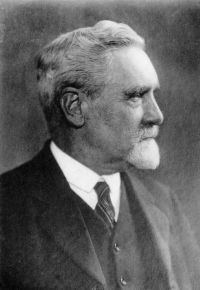
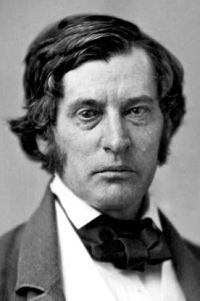
Portrait of Louis Constant Wairy Louis Constant Wairy Recollections of the Private Life of Napoleon…

Her subsidies having obtained her the supreme control, nothing could be decided without consulting her; and I have since learned that even during the pretended negotiations the British government had declared to the Emperor of Russia that under the circumstances the conditions of the treaty of Luneville would be far too favorable to France. All these complications might be expressed in these words: "We desire war!" War was then waged, or rather the scourge continued to desolate Germany, and soon threatened and invaded France.
Source: Gutenberg

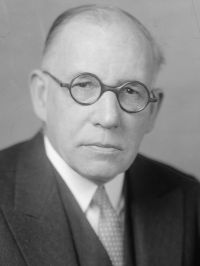
Portrait of Walter Scott Walter Scott Life of Napoleon Bonaparte, Volume II

The eleventh article of the treaty of Luneville seemed to afford the Swiss a prospect of escaping from this thraldom, but it was in words only. That treaty was declared to extend to the Batavian, Helvetic, Cisalpine, and Ligurian Republics. "The contracting parties guarantee the independence of the said republics," continues the treaty, "and the right of the people who inhabit them to adopt what form of government they please."
Source: Gutenberg

Get perspective with Kwize: daily news enlightened by great literature