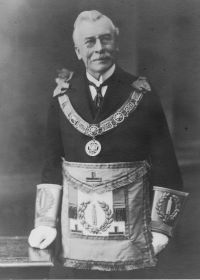
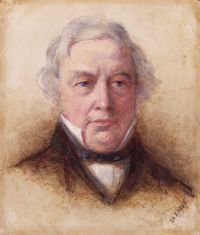
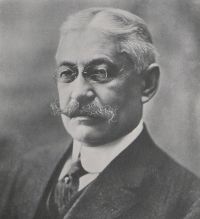
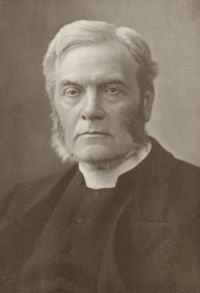
The concept of "balance of power" refers to the strategic allocation of political or military strength among competing entities to prevent any single entity from becoming dominant. This idea has been examined by thinkers such as Cicero, who stressed mutual restraint, and David Hume, who described it as a modern political secret.
Authors like John Bright criticized it as a "mischievous delusion," while Arthur Greenwood emphasized its role in preventing conflicts through careful distribution of influence. The theme highlights the tensions between practical diplomacy and moral leadership, showing how historical and ideological contexts shape its understanding.
 Arthur Greenwood,
The War and Democracy
Arthur Greenwood,
The War and Democracy