Unification of Italy

Definition and stakes

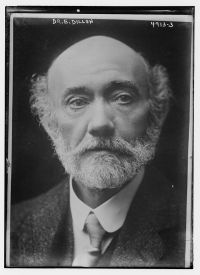
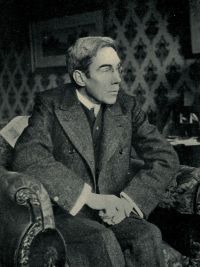
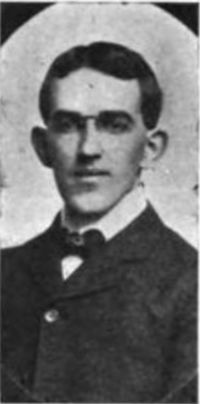
Portrait of Henry Harland Henry Harland,  Comedies and Errors

“ Victor Emmanuel, Garibaldi, Mazzini, Cavour—I knew them all; I knew them well. I worked with them, fought under them, wrote for them, spoke for them, throughout the long struggle for the unification of Italy. I did so because unification is my supreme ideal, the grandest ideal the human mind has ever formed. I worked for the unification of Italy, because I was and am working for the unification of mankind, and the unification of Italy was a step towards, and an illustration of, that sublime object. Let others prate of civilisation ”
Source: Gutenberg

Various,  The Catholic World, Vol. 25, April 1877 to September 1877

“ As for Rome and Italy, their temporal prosperity, so far from being sacrificed, would be promoted, by the re-establishment of the pontifical state and the overthrow of the visionary fabric of Cavour and Mazzini. We certainly desire to see all just national aspirations of the Italians satisfied. We are glad that Austrian domination in Italy has ceased. But all history seems to show that a confederate unity of distinct states is the only order suited to Italy, and that a monarchical unification is foreign and hostile to the genius and conditions of the Italian people. ”
Source: Gutenberg

James Wood,  The Nuttall Encyclopædia — I

“ In more recent times the small states of Italy were continually involved in the wars which devastated Europe, and passed in alliance or in subordination into the hands of Austria, France, and Spain alternately. The last 50 years have seen the unification of the kingdom. After the abortive movement of Mazzini came Cavour and Garibaldi, who, after severe struggles against the Austrians in the North and the despots of Southern Italy, proclaimed Victor Emmanuel king of Italy in 1861. ”
Source: Wikisource

Get perspective with Kwize: daily news enlightened by great literature