University of Salamanca

Definition and stakes

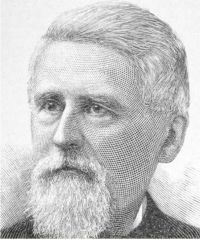
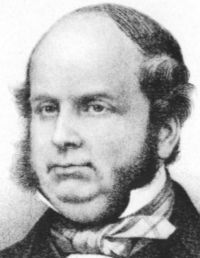
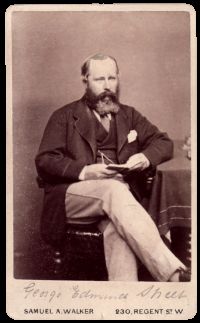
Portrait of Albert Frederick Calvert Albert Frederick Calvert Leon, Burgos and Salamanca: a historical and descriptive account

The University, thanks to which the name of Salamanca was honourably known throughout the fourteenth, fifteenth, and sixteenth centuries from Lisbon to Novgorod, was founded by Alfonso IX., King of Leon, in the first quarter of the thirteenth century—moved thereto, it is said, by the establishment of the university of Palencia by his cousin of Castile. Consequent on the union of the two kingdoms in the person of Fernando III., the latter university declined and faded out of existence, Salamanca thus remaining the oldest seat of learning in Spain.
Source: Gutenberg

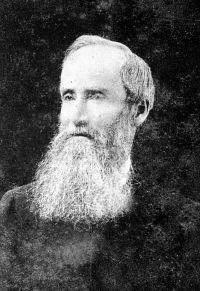
Portrait of Henry Charles Lea Henry Charles Lea A History of the Inquisition of Spain…

The labor proved to be no light one. The tribunals, the prelates and the universities were called upon for information; as this was received it was sent to Maestro Francisco Sancho, who selected from the University of Salamanca a junta to frame from these materials the new Index. Then Sancho left Salamanca and recommended as his successor his assistant Doctor Diego de Vera. The Suprema grew impatient and, in a letter of December 6, 1572, it charged the theologians of the university with the prosecution of the work
Source: Gutenberg

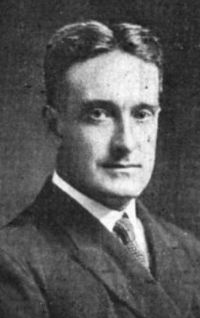
Portrait of Albert Frederick Calvert Albert Frederick Calvert Leon, Burgos and Salamanca: a historical and descriptive account

Women competed equally with men for the honours of the learned. Among the most illustrious members of the university were Beatriz Galendo, surnamed the Latin, the daughter of a professor, and the teacher and friend of Isabel the Catholic; Alvara de Alba, the author of a mathematical treatise, and Cecilia Morillas, the wife of a Portuguese, Dom Antonio Sobrino, and the mother of several learned doctors, who consulted her on the most difficult points in the humanities, in philosophy, and theology. Salamanca remained to the last a stronghold of Catholic orthodoxy.
Source: Gutenberg

Get perspective with Kwize: daily news enlightened by great literature