Whig Party

Definition and stakes

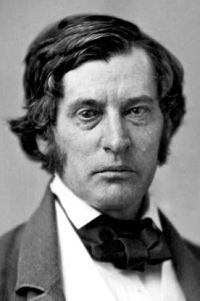
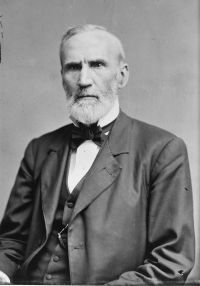
Portrait of Theodore Parker Theodore Parker,  The Collected Works of Theodore Parker (1863)

“ In each party there is a large body of Hunkers,—men who care little or nothing for the natural rights of man; mean, selfish men, who seek only their own gratification, and care not at what cost to mankind this is procured. If the Whig Party is defeated, I take it the majority of these Hunkers will gradually fall in with the Democrats; that the Whig Party will not rally again under its old name; that the party of Hunkers will hoist the flag of slavery, and the whole hosts of noble, honest, and religious men in both parties will flee out from under that flag, and go over to the Party of Freedom. ”
Source: Wikisource

Various,  Blackwood's Edinburgh magazine…

“ Why is it that certain parties are now, more than heretofore, engaged in getting up a cry for reform and extension of suffrage? Why is it that some men, ostensibly belonging to the Whig party, who, a year or two ago, held such views in utter detestation, have declared themselves favourable to the movement? Has anything been done to curtail the popular privileges—to take away from the people any portion of the power which they previously possessed—to curtail the liberty of the press—or in any way to trench upon the rights which are common to every subject? ”
Source: Gutenberg

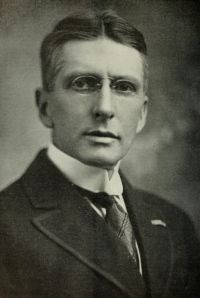
Portrait of George Alfred Townsend George Alfred Townsend,  Campaigns of a Non-Combatant, and His Romaunt Abroad During the War

“ Whig and Democrat were not men of the same race or family in Richmond; they passed each other on the sidewalk with a sneer or a scowl, and knew no coalition even in the house of God. Even when the Whig party as an organization deceased, the Whigs, as individuals, retained their traditional antipathy, and the advent of secession was decried by these, not because they loved the Union more, but the triumphant Democracy the less. ”
Source: Gutenberg

Get perspective with Kwize: daily news enlightened by great literature