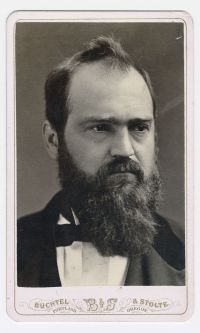
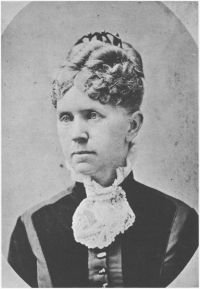
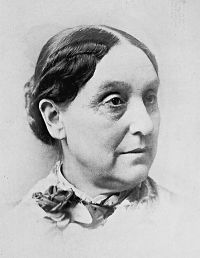
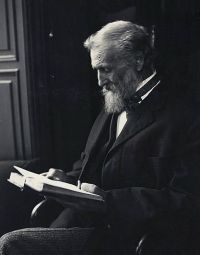
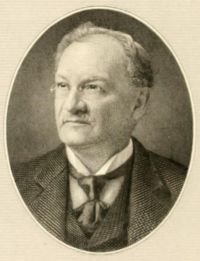
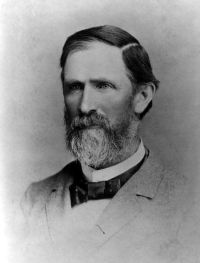
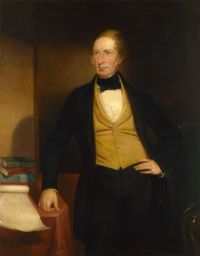
The Willamette Valley, a 150-mile-long fertile region in Oregon, is defined by the Willamette River and surrounded by mountain ranges, serving as the state’s cultural and economic heart. Authors such as Elma MacGibbon emphasized its agricultural wealth, while Edmund Flagg pointed out its early settlement and growth in education.
William Lyman compared its geology to a former inland sea, and Wallis Nash admired its wild fertility. Modern viewpoints, like that of Henry Harley Arnold, focus on its vast openness and agricultural promise. Combining these perspectives, the valley appears as a landscape shaped by glacial floods, transformed into a cradle of settlement, viticulture, and lasting natural beauty.
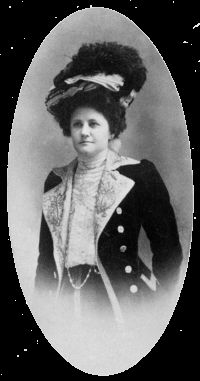 Elma MacGibbon,
Leaves of Knowledge
(1904)
Elma MacGibbon,
Leaves of Knowledge
(1904)