William Owen

Definition and stakes

John Edward Lloyd,  Dictionary of National Biography… (1895)

“ Owen bore a high character for temperance of life, generosity to the poor, and charity towards those who differed from him. He died on 15 March 1699–1700, in his sixty-first year, according to the inscription on his tombstone in Llanegryn churchyard. Of his children, John (d. 27 June 1700) succeeded him as minister at Bronclydwr; one daughter married Edward Kenrick of Wrexham (who succeeded his brother-in-law at Bronclydwr) , and another William Farmer of Whitley, Shropshire. ”
Source: Wikisource

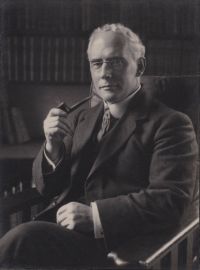
Portrait of Albert Frederick Pollard Albert Frederick Pollard,  Dictionary of National Biography… (1895)

“ To this is added ‘A True Catalogue of the Names of all the Cities, Townes, and other places where the Jesuits have any Colledges or Religious Houses in Europe.’ One copy is in the Bodleian Library, and another, bound up with Sir Edwin Sandys's ‘Europæ Speculum,’ and dated 1632, is in the British Museum Library.
If Owen is rightly identified with the grandson of Lewis Owen the judge, he must have succeeded his mother's brother, William David Lloyd, in the Peniarth estate, Merionethshire, and died in 1633, leaving two daughters. The elder, Margaret, married (1) Richard Owen (d. 1627?)
”
Source: Wikisource

Alexander Gordon,  Dictionary of National Biography… (1895)

“ Lloyd in 1688 acquainted Owen with the invitation to William of Orange, saying they had been ‘angry brethren,’ but must now make common cause. After the Toleration Act, Owen removed his Ruthin lecture to Denbigh, and set up others at Llanvyllin, Montgomeryshire, and Wrexham, Denbighshire. He had great difficulty in getting his meeting-places licensed, and was often disturbed. In 1690 he started at Oswestry, an academy for training students for the ministry, which was supported by the London presbyterian fund. ”
Source: Wikisource

Get perspective with Kwize: daily news enlightened by great literature