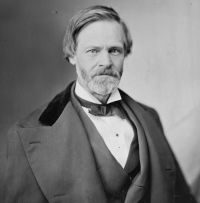
William Tecumseh Sherman (1820–1891) was a Union general during the American Civil War, celebrated for his strategic brilliance and controversial "scorched-earth" approach, exemplified by the March to the Sea, which sought to break Confederate morale and destroy infrastructure. His collaboration with Ulysses S. Grant and his operations in the Western Theater, such as the capture of Atlanta, cemented his status as a key military commander.
Writers like Willis Fletcher Johnson praised him as a patriot and "first modern general," whereas others, such as Mary Ann Harris Gay, criticized his tactics as harsh and cruel. Sherman’s memoirs and letters, including his 1864 writings justifying total war, illustrate a multifaceted individual guided by duty and practicality. His legacy persists as both a military pioneer and a contentious emblem of the war’s harsh realities.