Zwinglianism

Definition and stakes

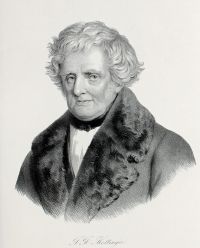
Portrait of Julius Köstlin Julius Köstlin,  Life of Luther

“ Luther, although he admitted having formed a more favourable opinion of Zwingli as a man, since their personal interview at Marburg, in no way altered his opinion of Zwinglianism or of the general tendency of his doctrines. Thus in a letter of warning sent by him in December 1532 to the burgomaster and town-council of Münster, he classed Zwingli with Münzer and other heads of the Anabaptists, as a band of fanatics whom God had judged, and pointed out that whoever once followed Zwingli, Münzer, or the Anabaptists, would very easily be seduced into rebellion and attacks on civil government. ”
Source: Gutenberg

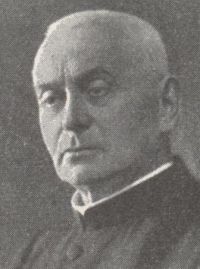
Portrait of Hartmann Grisar Hartmann Grisar,  Luther, vol. 5 of 6

“ Alb and chasuble continued to be worn by the clergyman at the “Mass” in the parish church of Wittenberg, though no longer in the monastic church. The Swiss who visited Wittenberg were struck by this, and, in their reports, declared that Luther’s service was still half Popish. At Augsburg where Zwinglianism was rampant the “puppet show” of the Saxons, with their priestly vestments, candles, etc., seemed a “foolish” and scandalous thing. ”
Source: Gutenberg

Lina Hug,  The Story of Switzerland

“ Bullinger, the friend of Zwingli, and, later on, of Calvin, worthily succeeded to the headship of the Zurich reformers. Keeping clear of politics, for which he had no propensity, he concentrated his attention on the perfecting of the Zwinglian ecclesiastical system; working for strict morality without narrowness of mind, for national independence, for inquiring after light and truth, and for true piety combined with benevolence and charity. Zwingli had made mistakes of policy, but his devotion to his cause, his self-abnegation, and his tragic death, made full reparation for them. ”
Source: Gutenberg

Get perspective with Kwize: daily news enlightened by great literature