Autumnal equinox

Definition and stakes

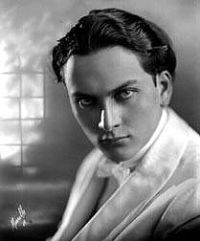
Portrait of Manly Palmer Hall Manly Palmer Hall,  The Secret Teachings of All Ages… (1928)

“ At the summer solstice, the sun became a strong man, heavily bearded, who, in the prime of maturity, symbolized the fact that Nature at this period of the year is strongest and most fecund. At the autumnal equinox, the sun was pictured as an aged man, shuffling along with bended back and whitened locks into the oblivion of winter darkness. ”
Source: Wikisource

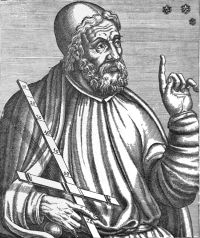
Portrait of Plutarch Plutarch,  Moralia (c. 100 AD)

“ He who plants a vine in the spring equinox, gleans its vintage in the autumnal equinox; he who sows corn when the Pleiads set, reaps it when they rise; cattle and horses and birds have produce at once fit for use; whereas man's bringing up is toilsome, his growth slow; and as excellence flowers late, most fathers die before their sons attain to fame. ”
Source: Gutenberg

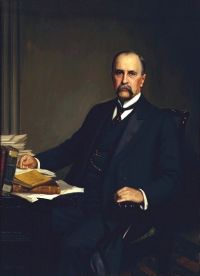
James Arthur,  Time and Its Measurement

“ Using popular language, the seasons are marked by four points,—Spring equinox—longest day—; Autumnal equinox—shortest day. This would be very simple if the equinoctial points would stay in the same places in the star sphere; but we find that they creep westward each year to the extent of 50 seconds of arc in the great celestial circle of the Zodiac. This is called the precession of the equinoxes. The year is measured from Spring equinox to Spring equinox again; but each year it comes 50 seconds of arc less than a full revolution of the earth around the sun. ”
Source: Gutenberg

Get perspective with Kwize: daily news enlightened by great literature