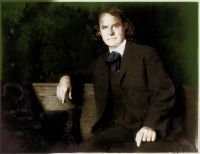
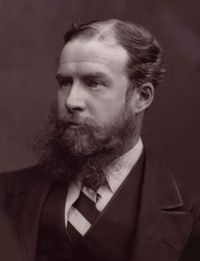
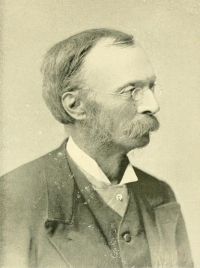
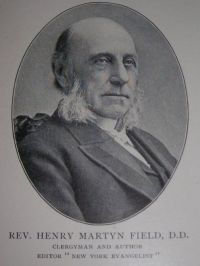
Seasons, as defined by their cyclical progression through the year, have long served as a metaphor for temporal and emotional rhythms in literature. From John Keats’ contemplation of the "Human Seasons" to George Thornburgh’s reflection on time’s "procession of seasons," authors have employed this motif to mirror human experience—Spring’s renewal, Summer’s vitality, Autumn’s maturity, and Winter’s introspection.
Whether through nature’s transitions or symbolic narratives, the theme underscores life’s perpetual transformation, as seen in Petrarca’s observations of nature’s "wondrous change" and Joseph Laing Waugh’s reverence for each season’s distinct beauty. This recurring imagery binds the transient to the eternal, framing existence as an ongoing cycle of growth and repose.