Brown thrush

Definition and stakes

Neltje Blanchan,  Bird Neighbors

“ One of the shatterings of childish impressions that age too often brings is when we learn by the books that our "merry brown thrush" is no thrush at all, but a thrasher—first cousin to the wrens, in spite of his speckled breast, large size, and certain thrush-like instincts, such as never singing near the nest and shunning mankind in the nesting season, to mention only two. ”
Source: Gutenberg

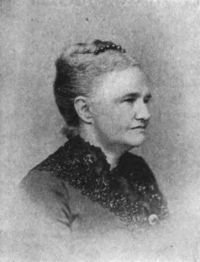
Portrait of Olive Thorne Miller Olive Thorne Miller,  In Nesting Time

“ This bird is perhaps the only restless creature that bears the name of thrush, and he is totally unlike the rest of his family, having neither dignity, composure, nor repose of manner. My brown thrush, however, was exceedingly interesting in his own way, if only as a study of perpetual motion, of the varieties of shape and attitude possible to him, and the fantastic tricks upon wing of which he was capable. One never tired of watching him, for he was erratic in every movement, always inventing some new sort of evolution, or a fresh way of doing the old things, and scarcely a moment at rest. ”
Source: Gutenberg

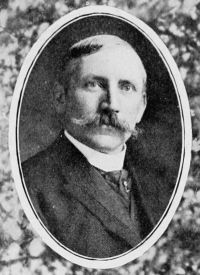
Alice Eliza Ball,  Bird Biographies

“ Because of his brown color and his speckled breast, the Brown Thrasher has often been erroneously called the Brown Thrush. Careful observation reveals many points of difference. He is three or four inches longer than our common thrushes—in fact, his tail alone is only about 21⁄2 inches shorter than the entire body of the veery or the hermit thrush; his bill is almost four times as long as theirs and is decidedly curved. Instead of dark, thrush-like eyes, he has pale yellow ones that give him an uncanny appearance.
He is not a dweller in woods, but, like the catbird, prefers thickets.
”
Source: Gutenberg

Get perspective with Kwize: daily news enlightened by great literature