Calm (meteorology)

Definition and stakes

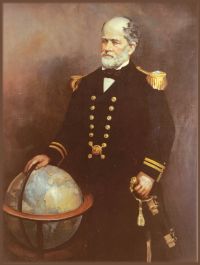
Portrait of Matthew Fontaine Maury Matthew Fontaine Maury,  Physical Geography of the Sea and its Meteorology (1864)

“ Then this calm place will become stationary, and so remain, until, from some cause, one or the other of the meeting winds gains strength or loses force; then the stronger will press upon the weaker, and the calm belt will change place and adjust itself to the new forces. The changes that are continually going on in the strength of the winds keep the calm belt in a trembling state, moving now to the north, now to the south, and always shifting its breadth or its place under the restless conditions of our atmosphere. ”

Source: Wikisource

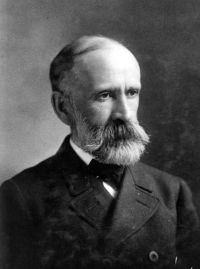
Portrait of Robert DeCourcy Ward Robert DeCourcy Ward,  Practical Exercises in Elementary Meteorology

“ Does there seem to you to be any definite system, of any kind, in our changes of temperature? In what ways are people in general affected by hot weather? By cold weather? What difference does a very hot or a very cold day make in your own case?
Wind Direction and Velocity.—Wind is an important meteorological element because it has many close relations to human life. It affects very markedly our bodily sensations of heat or cold. A cold, calm day is pleasanter than a cold, windy day. On the other hand, a hot, calm day is usually much more uncomfortable than a hot, windy day.
”
Source: Gutenberg

Get perspective with Kwize: daily news enlightened by great literature