Canon of Scripture

Definition and stakes

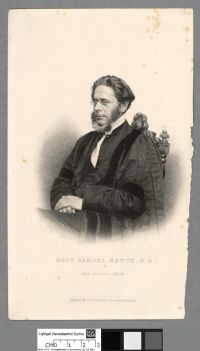
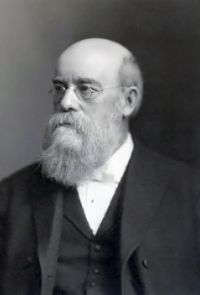
Richard Frederick Littledale,  Encyclopædia Britannica, Ninth Edition (1888)

“ The canon of Scripture was proposed in the congregations before the fourth session as the subject for discussion, and the three following questions were raised: (1) Were all the books of both Testaments to be approved and received? (2) Was there to be a fresh inquiry into their canonical character before giving such approval? (3) Should there be any distinction drawn between the books, as being some of them read merely for moral instruction, and others for proving the doctrines of Christian belief? ”
Source: Wikisource

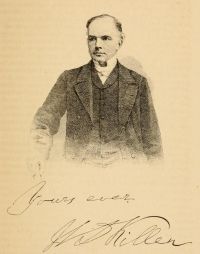
Portrait of George Q. Cannon George Q. Cannon,  Journal of Discourses — Volume 22…

“ Of course we see around us in Christendom any number of churches which profess to be the churches of Christ, the members of which deny present communication from God, who say that revelation is no longer needed; that the canon of scripture is full, that all the revelations that God had to give to men he has given, and that they are embodied in the Old and New Testament. ”
Source: Wikisource

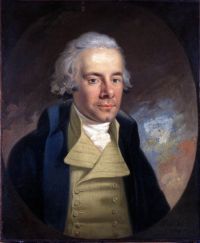
Portrait of Abraham Cowley Abraham Cowley,  The Works of Abraham Cowley (1806)

“ It evidently adopts for its principle the notion of the full and equal divine inspiration of every part of the writings composing the canon of scripture, whether historical, preceptive, or prophetic;—a notion which few men of learning and liberal inquiry can now be supposed to hold. That all curiosity respecting these topics is suppressed, because there is already what is "sufficient for the purposes of religion," is surely a very singular and narrow sentiment. ”
Source: Wikisource

Get perspective with Kwize: daily news enlightened by great literature