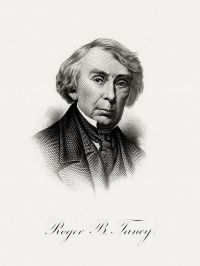
Citizenship of the United States signifies a legal status that grants particular rights, responsibilities, and safeguards under the Constitution, mainly through birth or naturalization. Legal experts and judges, including Benjamin R. Curtis and Horace Gray, have discussed its extent, focusing on the difference between federal and state citizenship. Curtis’s dissent in Dred Scott highlighted constitutional uncertainties, whereas Gray’s Wong Kim Ark ruling reinforced the supremacy of federal citizenship.
John Palmer Gavit emphasized the autonomy of federal citizenship from state affiliations. These viewpoints together demonstrate the developing legal structure, reconciling constitutional ideals with real-world governance, as reflected in the Fourteenth Amendment’s function in establishing citizenship universally, guaranteeing equal treatment and rights throughout the states.