Cricket captain

Definition and stakes

The Cricket of Abel, Hirst, and Shrewsbury

“ On the same principle the captain of a team should as a rule be an all-round player—a batsman, bowler, fielder, watcher—though there are some captains who do not excel much in any sphere except captaining, and yet are worth their place in their team.
But it is not merely the captain who gains by being an all-round player. Cricket has as its object to fit every cricketer for his all-round life, as games and exercises prepare young animals for their narrower life.
”
Source: Gutenberg

Portrait of P. G. Wodehouse P. G. Wodehouse,  Mike (1919)

“ A cricket captain may seem to be an autocrat of tremendous power, but in reality he has only one weapon, the keenness of those under him. With the majority, of course, the fear of being excluded or ejected from a team is a spur that drives. The majority, consequently, are easily handled. But when a cricket captain runs up against a boy who does not much care whether he plays for the team or not, then he finds himself in a difficult position, and, unless he is a man of action, practically helpless.
Stone and Robinson felt secure.
”
Source: Wikisource

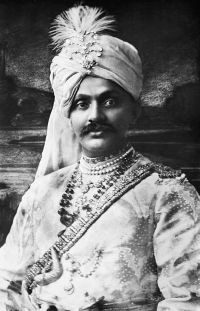
Portrait of Ranjitsinhji Vibhaji II Ranjitsinhji Vibhaji II,  The Jubilee Book of Cricket (1897)

“ In cricket, as in other phases of life, the true tests of merit are difficulties and adversity. It is in his leadership of a weak side or of a side whose fortunes are down for the time being that a captain's worth is proved. A captain who by pure good management succeeds in struggling through a season with fair results must find a melancholy pleasure in watching the efforts of strong elevens neutralised by the incompetency of their leaders. The duties of a captain vary somewhat according to the kind of match in which his side is engaged, and to the kind of club which has elected him. ”
Source: Wikisource

Get perspective with Kwize: daily news enlightened by great literature